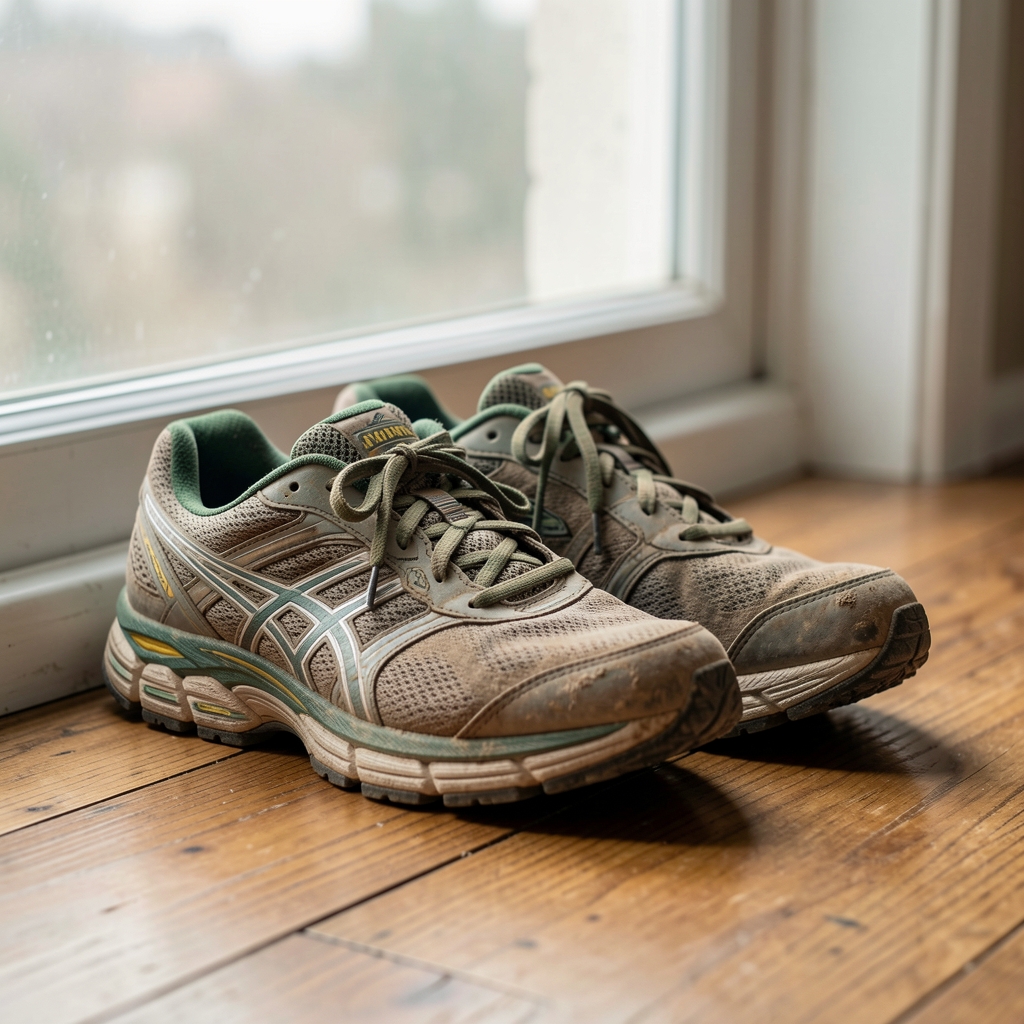
When energy is low, movement is often the last thing that presents itself as an option. The logic feels circular in a frustrating way: one lacks the energy required to generate more energy. Yet the research on light activity and energy — particularly on the kind of brief, low-intensity movement that asks very little of the body — tells a more nuanced story. Movement, at the right intensity, does not draw on a depleted reserve. It appears to function as a signal, one that the body reads as an instruction to adjust its own alertness and metabolic rate.
Movement When Tired: The Counterintuitive Evidence
The instinct to rest when fatigued is entirely reasonable. The body's natural response to an energy deficit is conservation — reduced voluntary activity, lowered alertness, and a tendency toward stillness. This conservation response is functional and important. It should not be overridden with effort that exceeds the body's current capacity.
What is less intuitive is that very light movement — a ten-minute walk at comfortable pace, a few minutes of gentle stretching, or a brief change of physical position accompanied by some circulation — does not register as additional demand in the way that more intense exercise does. Instead, it appears to interrupt the conservation loop, offering the nervous system enough sensory input to modulate the fatigue signal without adding meaningfully to the energy expenditure budget.
Studies examining this effect consistently report a modest but reliable improvement in subjective energy and alertness following ten to fifteen minutes of light walking, compared to the same period of seated rest. The effect is short-lived — typically thirty to sixty minutes — but the window it opens can be sufficient to navigate the most demanding portion of an afternoon slump, or to make a more considered decision about an evening meal.
"Light movement does not draw on a depleted reserve. It functions as a signal the body reads as an instruction."
The Relationship Between Fatigue, Movement, and Eating
The interaction between movement, fatigue, and eating behaviour is not simply a matter of calories expended and replenished. The nature of the appetite signal that follows light activity is meaningfully different from the one that precedes it. Under conditions of sedentary fatigue — the kind that accompanies a long afternoon at a desk — appetite tends toward the dense and rapid. After even a brief walk, the same appetite tends to moderate, and the preference for lighter, more varied foods often reasserts itself.
This shift has been observed in laboratory settings and reported consistently in studies of daily movement patterns and dietary behaviour. The mechanism is not fully characterised, but the evidence suggests it involves changes in the circulating concentration of appetite-regulating signals that respond to physical activity, even at low intensity. These changes are not dramatic — they do not constitute a metabolic transformation — but they are directionally consistent and practically useful.
For those managing weight over time, the implication is significant. The addition of regular light movement to the daily rhythm — particularly around the mid-afternoon period and the early evening — does not function primarily as a caloric intervention. It functions as a modulator of appetite quality, shifting the appetite signal toward one that is more aligned with actual need and more responsive to moderate portion sizes.
- 01Ten to fifteen minutes of light walking produces a reliable improvement in alertness that lasts thirty to sixty minutes.
- 02Post-movement appetite tends toward lighter, more varied foods compared to sedentary fatigue appetite.
- 03The effect is most pronounced when light activity precedes rather than follows an episode of dense eating.
- 04Regular light movement before sleep tends to improve sleep quality, which compounds the energy benefit the following day.
Recovery Sleep, Light Activity, and Body Composition
The relationship between daily movement, sleep quality, and body composition involves a feedback system that is easier to observe in its disrupted state than in its functional one. When daily activity is very low and sleep is poor, body composition tends to shift over time in ways that compound the difficulty of restoration. Lean mass reduces, stored energy accumulates, and the appetite pattern becomes more persistently oriented toward compensatory eating.
Light movement — at a level that does not strain a fatigued body — has been shown to interrupt this cycle at multiple points. First, it modulates the daytime appetite pattern, as described above. Second, and perhaps more importantly for the longer arc of weight management, it improves the depth and duration of sleep. Regular light activity during the day — even walking — appears to strengthen the circadian signal that drives sleep onset and sleep quality. This creates a compounding benefit: better sleep produces better energy the following day, which supports slightly more activity, which improves sleep further.
The entry point into this positive cycle does not require significant effort or time. It requires only that some movement, at low intensity, becomes a consistent feature of the day — not as a fitness programme, but as a daily signal to the body that stillness is not the only available state.

Morning walk, Clerkenwell, London. Atisok Quarterly archive, March 2026.
Practical Notes on Sustaining a Low-Intensity Habit
The literature on habitual movement consistently indicates that consistency is more valuable than intensity for the purposes described here. A ten-minute walk every day produces more durable benefits for energy management, appetite modulation, and sleep quality than a single hour-long session once a week. This is because the body's response to light activity is calibrated to the regularity of the signal, not its peak magnitude.
For those operating on low energy — the primary audience of this publication — the practical question is not where to find the motivation for vigorous exercise, but how to establish and maintain a very simple daily movement pattern without requiring energy reserves that are not currently available. The answer suggested by the evidence is to locate movement within an existing part of the day: around a meal, before a commute, after a work period, during a phone call. The activity does not need to be designated. It needs only to be present.
Over time, as the movement habit stabilises and sleep quality improves in response, the energy available for slightly more sustained or varied activity tends to increase naturally. The process is gradual and does not follow a straight line. What it does follow, in the accounts of those who have sustained it, is a recognisable direction — one in which low energy is no longer the fixed condition, but a variable one, responsive to the small and measured adjustments made in the rhythm of the day.
Energy Rhythm and Food: The Integrating View
The three variables explored across this issue of Atisok Quarterly — sleep, appetite pattern, and light movement — are not independent levers. They constitute a single integrated system, one in which each element shapes and is shaped by the others. Sleep quality influences the appetite signal. The appetite signal influences what is eaten. What is eaten influences energy availability. Energy availability influences the capacity for and the benefit derived from movement. Movement influences sleep quality. The circle closes, and it closes either in the direction of gradual improvement or gradual difficulty.
The concept of energy rhythm and food — how the timing, composition, and context of eating interacts with daily energy availability — makes most sense when viewed within this integrated system. Attempts to change the eating pattern alone, while the underlying sleep and movement variables remain unchanged, tend to produce limited and short-lived results. The pattern reasserts itself because the circadian and appetite signals that drive it have not changed.
The editorial position of this publication is not that all three variables must be addressed simultaneously — that would be overwhelming for most readers. Rather, it is that beginning with any one of the three, and sustaining even a modest improvement in that one area, tends to produce small and observable improvements in the others. The system has more give than it appears to from inside the cycle of persistent fatigue.
Frequently Asked
Articles published on Atisok Quarterly are editorial in nature and reflect the writers' observations on everyday wellness practices. The content is not intended as professional advice, nor as guidance for the management of any specific condition. Readers with specific concerns about their daily routines are encouraged to speak with a qualified wellness professional.